


How Professional Sound Design Creates the Hollywood Sound
Bad sound can make a great-looking film feel small in seconds. A soft footstep in the wrong place, a flat explosion, a room tone that changes between cuts, or dialogue buried under music can pull an audience out of the story before they know why.
Great sound does the opposite. It makes the world feel real, expensive, emotional, and alive. It guides attention. It adds weight to images. It can make a hallway feel haunted, a car chase feel dangerous, or a quiet glance feel heartbreaking.
That polished, immersive quality people often call the “Hollywood sound” does not come from dragging a few effects out of an editing library. It comes from a dedicated sound designer making hundreds of choices that serve the story.

Sound design starts before the audience notices it
The best sound design often feels invisible. Viewers do not think, “That alley has well-layered ambiences.” They simply feel the cold air, the distance of traffic, the threat around the corner, and the character’s isolation.
That is the real craft. Sound design gives shape to what the camera cannot fully show.
On Hollywood-scale films, sound teams talk about story first. Before anyone starts stacking whooshes or impacts, the sound designer studies the cut and asks practical questions.
What does the scene need the audience to feel?
Whose perspective are we hearing?
Should this moment feel realistic, heightened, or dreamlike?
What sounds should disappear so one key detail stands out?
Where does the scene need tension, release, or surprise?
A basic edit might include footsteps, doors, cars, and some background air. Professional sound design turns those pieces into a point of view.
For example, imagine a character walking into an empty house at night. A simple edit might add floor creaks and wind. A professional approach might include:
A distant refrigerator hum that cuts out at the wrong moment
A loose window latch ticking in an uneven rhythm
Subtle low-frequency pressure as the character enters the hallway
Muffled outside traffic that fades as fear takes over
Footsteps that shift from solid wood to hollow floorboards
Silence before a scare, held slightly longer than feels comfortable
None of those choices are random. Each one tells the audience how to feel without forcing the scene.
That is why How Professional Sound Design Creates the Hollywood Sound is really a story question, not just a technical one. The “Hollywood” quality comes from sound that supports emotion with precision.
A dedicated sound designer protects the story
Many independent productions expect the picture editor to handle sound as part of the edit. That can work for rough cuts, temp screenings, or simple projects. But when the goal is a theatrical, streaming, or festival-quality film, sound needs its own creative lead.
A dedicated sound designer listens differently than a picture editor. The editor focuses on performance, rhythm, structure, and visual storytelling. The sound designer focuses on the invisible layer that binds everything together.
That role includes far more than adding effects. A strong sound designer will:
Spot the film for sound opportunities
Build sonic rules for locations, characters, objects, and moments
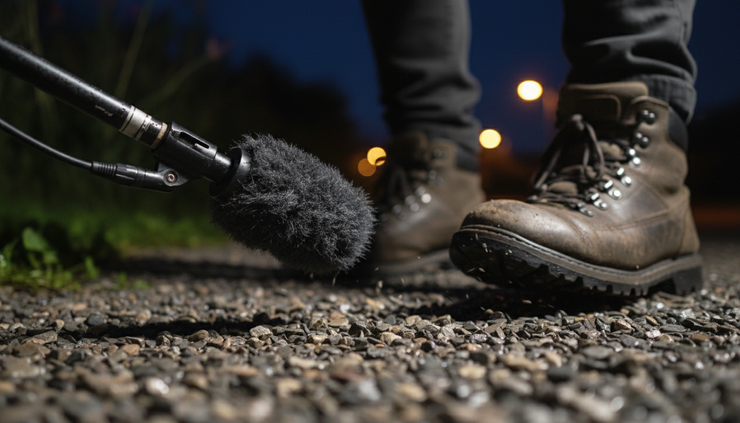
Record or create custom sounds when library effects feel generic
Work closely with dialogue editors, Foley artists, composers, and mixers
Shape transitions so scenes flow with energy
Balance realism with drama
Prepare clean, organized sound elements for the final mix
Experience matters because sound problems rarely announce themselves clearly. A less experienced editor might hear a scene and think the music is too quiet. A seasoned sound designer might hear that the dialogue has too much room reverb, the background tone is fighting the score, and the hard effects lack midrange detail, which makes the whole scene feel weak.
On studio projects, sound meetings can get very specific. A director may say a creature feels “too animal,” a vehicle feels “too modern,” or a memory sequence feels “too literal.” The sound designer turns those creative notes into practical solutions. They may blend animal recordings with metal stress, human breath, reversed textures, or processed natural sounds to create something that feels new but still emotionally readable.
That kind of translation is a skill. It comes from many hours in edit rooms, recording sessions, and mixing stages.
Professional sound design is not just sound selection. It is taste, timing, restraint, and story judgment.
Hiring an experienced sound designer early also saves money and stress later. They can flag noisy production audio, suggest wild lines, recommend recording opportunities, and help plan scenes where sound will do heavy lifting. Waiting until the final week often leads to rushed fixes instead of meaningful design.
Library effects are ingredients, not the final meal
Sound libraries are useful. Every professional sound designer uses them at times. They save hours, provide rare recordings, and give editors a starting point. The problem begins when a film relies on library effects as finished design.
A single library door slam may sound fine by itself. In a scene, it may feel wrong for many reasons. The room may be too large. The wood may sound too light. The decay may not match the location. The impact may happen a frame late. The emotional tone may not fit.
Professional sound design often starts with library sounds, then reshapes them until they belong to the film.
Take a simple punch. A stock punch effect can sound fake because audiences have heard the same smack in countless videos. A designed punch may include several layers:
A short cloth movement before contact
A skin impact for the hit
A low thump for body weight
A small bone or cartilage detail for discomfort
A breath, gasp, or vocal strain
A room reflection shaped to the location
A brief dip in surrounding sound to make the hit land harder
The result is not just louder. It feels connected to the body, space, and moment.
The same idea applies to vehicles. A car in a chase scene is not one engine loop. It may include intake, exhaust, tire grit, suspension squeaks, gear shifts, rattling interior panels, wind buffeting, passing reflections, and debris. The sound changes with camera angle, distance, road surface, and character perspective.
When working on large films, one of the biggest lessons is that scale comes from detail. Big moments work because small sounds support them. A spaceship launch, monster attack, or building collapse needs power, but it also needs little pieces that give the audience something to recognize. Metal stress, loose glass, dirt movement, alarms, human reactions, and shifting air can make a huge event feel physically real.
Without those details, a big effect becomes noise.
The Hollywood sound is built through layers and perspective
The polished sound of a major film usually comes from many focused passes. Each pass has a job. By the time the movie reaches the final mix, the soundtrack has depth, movement, and control.
Atmosphere gives scenes a living world
Atmosphere, often called ambience or backgrounds, is one of the easiest parts to overlook. It is also one of the fastest ways to make a film feel professional.
A bedroom at 2:00 a.m. should not sound like a blank recording. It may have distant traffic, a neighbor’s air conditioner, faint plumbing, soft electrical hum, insects outside, or a dog far away. The exact choices depend on the story.
A tense bedroom scene might use sparse, low, close tones. A nostalgic bedroom scene might include warm outside life and gentle movement. Same room, different emotion.
Professional background editing also hides cuts. If the room tone changes every time the camera angle changes, the scene feels stitched together. Smooth backgrounds help the audience stay inside the performance.
Foley connects sound to the body
Foley is the art of performing custom sounds to picture. Footsteps, hand movements, clothing, props, and body movement all feel more alive when performed with the character’s timing.
This is one reason professional films feel tactile. When a character picks up a glass, adjusts a jacket, grips a steering wheel, or sits on an old chair, Foley adds contact. Those sounds make the image feel touchable.
Good Foley is not about recording everything at equal volume. It is about emphasis. A ring placed on a table may be louder than reality because the choice matters. A character’s coat may sound dry and sharp because they are nervous. A tired walk may need softer heel pressure and more fabric drag.
The performance behind the sound supports the performance on screen.

Silence can be a designed choice
Silence in film is rarely empty. It is shaped.
In a strong mix, silence creates contrast. It can make an audience lean forward. It can make a character’s breathing feel intimate. It can prepare the ear for a sudden impact.
A common mistake in low-budget sound work is filling every moment. Constant room tone, constant music, constant whooshes, constant hits. The ear gets tired. Nothing feels special.
Experienced sound designers know when to remove sound. Before a crash, the world may narrow to a breath and a tire squeal. Before a confession, the room may fall away so the voice feels exposed. During shock, high frequencies may fade as if the character’s body has stopped processing the world normally.
That restraint is part of the Hollywood feel. The soundtrack breathes.
Transitions carry emotion between scenes
Picture cuts move the eye. Sound can move the mind.
A sound designer may let a sound from the next scene enter before the cut, which pulls the audience forward. Or a sound from the previous scene may continue after the cut, which leaves emotional residue. This technique can connect ideas without adding dialogue.
For example, a character staring at ocean waves might cut to a hospital monitor with a similar rhythm. A train rumble might become thunder. A cheering crowd might fade into ringing ears after a traumatic event.
These choices help scenes speak to each other. They make the film feel composed rather than assembled.
The final mix turns design into cinema
Sound design reaches its full power in the mix. This is where dialogue, music, effects, Foley, backgrounds, and designed elements become one controlled experience.
The mix is not just about volume. It is about focus.
At any given moment, the audience can only process so much. The mixer and sound designer decide what leads. Dialogue may sit forward. Music may carry emotion. Effects may take over for action. Backgrounds may widen the space. Low frequencies may add danger without drawing attention.
In a theatrical-style mix, dynamics matter. A film that stays loud all the time feels smaller, not bigger. Quiet scenes give loud scenes room to hit. A whisper before an explosion makes the explosion feel larger. A soft footstep in a silent corridor can create more tension than a wall of sound.
This is one reason a professional mix feels different from a timeline full of effects. The sound has depth.
Some elements sit close to the viewer. Others live far away. Some move across the room. Others stay centered. Reverb, EQ, panning, compression, and volume automation all help place sounds in a believable space.
For aspiring filmmakers, this is where planning pays off. Clean production dialogue gives the mix options. Good sound organization saves time. Clear creative goals help every sound choice support the film.
A dedicated sound designer can also help the composer avoid crowding the same frequency areas. If music, dialogue, and effects all fight for the same space, the mix turns muddy. When the team works together, each element has room to speak.

What aspiring filmmakers should take from Hollywood workflows
A Hollywood budget helps, but the core mindset is available to any film team. The goal is not to make every project huge. The goal is to make every sound intentional.
Start by thinking about sound before the final edit. During writing, ask what the audience should hear that the camera will not show. During production, protect dialogue and record useful wild sounds. During post, bring in a sound designer before the schedule becomes a rescue mission.
If budget is tight, spend it where sound will matter most. Dialogue editing, Foley for key scenes, custom design for signature moments, and a careful mix can lift a film far more than dozens of random effects.
A few practical habits can raise the quality fast:
Use temporary effects only as placeholders
Record unique sounds from real locations and props
Build recurring sounds for important characters or objects
Keep backgrounds consistent across cuts
Let silence create tension
Mix for story focus, not constant loudness
Watch scenes with your eyes closed to test clarity
Professional sound design creates trust. The audience may never know why the film feels polished, but they will feel it. They will believe the room, the street, the spaceship, the memory, or the nightmare.
That is the power of experienced sound work. It turns images into a world and moments into emotion. If the picture shows the story, sound lets the audience live inside it.

Comments